


Employee recognition programs have become essential for organizations looking to improve retention, boost productivity, and create positive workplace cultures. While many companies understand the importance of recognizing their employees, most struggle with the practical implementation of an effective program.
This comprehensive guide provides actionable steps to design, launch, and maintain an employee recognition program that delivers measurable results. From initial planning to ongoing optimization, you’ll learn exactly how to build a recognition system that works for your organization.
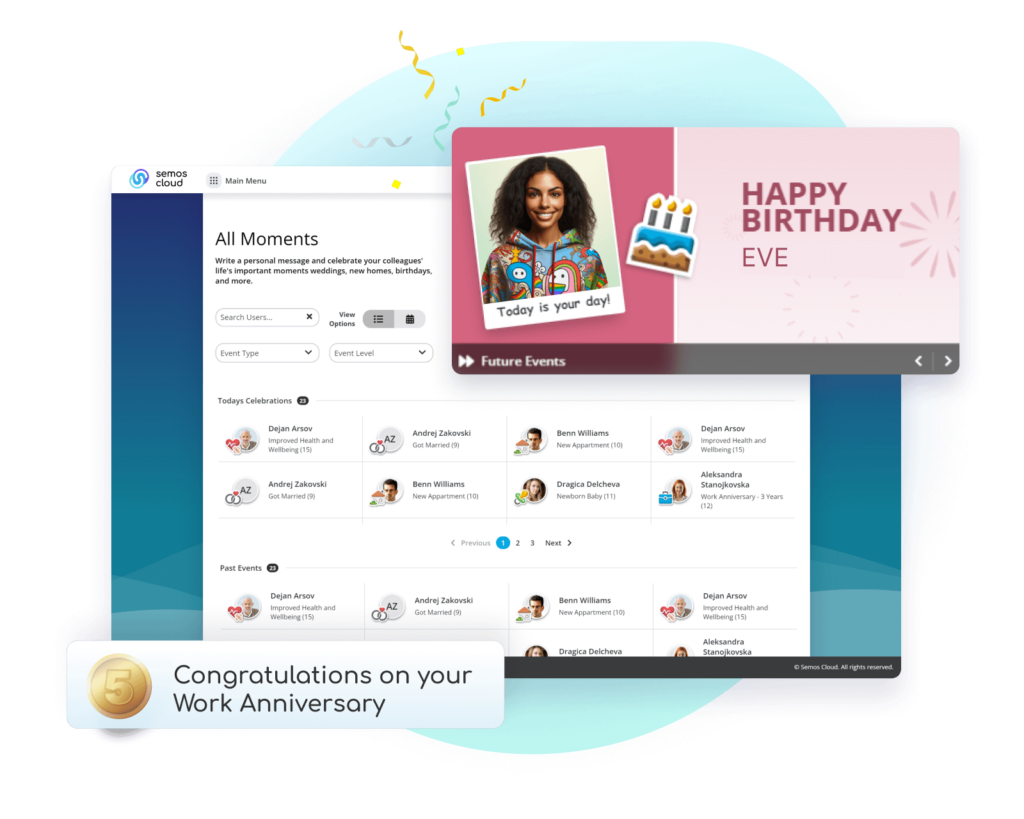
Step 1: Define Program Objectives and Success Metrics
Before designing any recognition program, establish clear objectives that align with your organization’s specific challenges and goals. This foundation will guide every subsequent decision about program structure, budget, and implementation.
Identify Your Primary Goals
Start by determining what you want your recognition program to achieve. Common objectives include:
- Reducing voluntary turnover rates
- Increasing employee engagement scores
- Improving productivity metrics
- Strengthening company culture
- Enhancing customer satisfaction
- Boosting internal promotion rates
Choose 2-3 primary objectives to maintain focus and ensure your program design addresses specific business needs rather than trying to solve everything at once.
Establish Baseline Measurements
Collect current data for the metrics you plan to improve. According to Gallup, organizations that measure ROI using hard data are five times more likely to achieve positive returns on their employee experience investments. Key baseline metrics include:
Employee Experience Metrics:
- Current employee engagement scores
- Employee Net Promoter Score (eNPS)
- Exit interview feedback themes
- Current recognition frequency data
Business Performance Metrics:
- Voluntary turnover rates by department
- Average tenure by role level
- Customer satisfaction scores
- Productivity measures specific to your industry
Financial Metrics:
- Cost per hire
- Revenue per employee
- Absenteeism rates
- Internal promotion rates
Set Specific, Measurable Targets
Transform your objectives into specific, time-bound targets. For example:
- Reduce voluntary turnover by 15% within 12 months
- Increase employee engagement scores by 20 points within 18 months
- Achieve 80% employee participation in recognition activities within 6 months
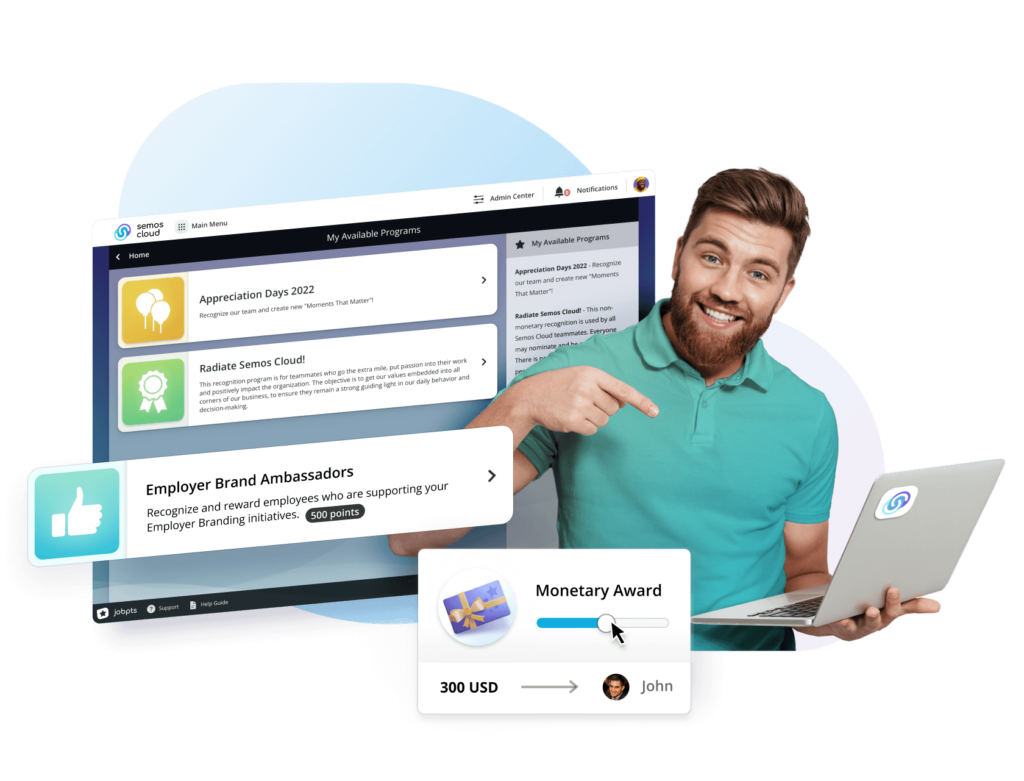
Step 2: Determine Program Budget and Resource Allocation
Establishing a realistic budget that balances investment with expected returns is crucial for program sustainability and effectiveness. According to SHRM, organizations should spend at least 1% of their total payroll on recognition programs, while Aon recommends allocating between 0.25% and 3% of your HR budget for recognition initiatives.
Calculate Total Program Investment
Your recognition program budget should include:
Technology Platform Costs:
- Annual licensing fees for recognition software
- Implementation and setup costs
- Integration with existing HR systems
- Mobile app development or licensing
Reward and Award Costs:
- Points-based reward system funding
- Custom award design and production
- Gift cards and merchandise
- Experience-based rewards
Program Management Costs:
- Dedicated program administrator time
- Manager training and development
- Program marketing and communication
- Ongoing maintenance and support
Allocate Budget Across Program Components
Distribute your budget using these general guidelines:
- 60-70% for rewards and recognition experiences
- 15-20% for technology platform and tools
- 10-15% for program management and administration
- 5-10% for training and communication
Craft a Winning Recognition Strategy with Clear-cut Budget Planning Strategies
get budget sampler
Step 3: Choose Recognition Types and Frequency
Design a multi-layered recognition approach that addresses different types of achievements and provides various recognition frequencies.
Implement Daily Recognition Options
Create systems for immediate, informal recognition that can happen multiple times per week.
Peer-to-Peer Recognition:
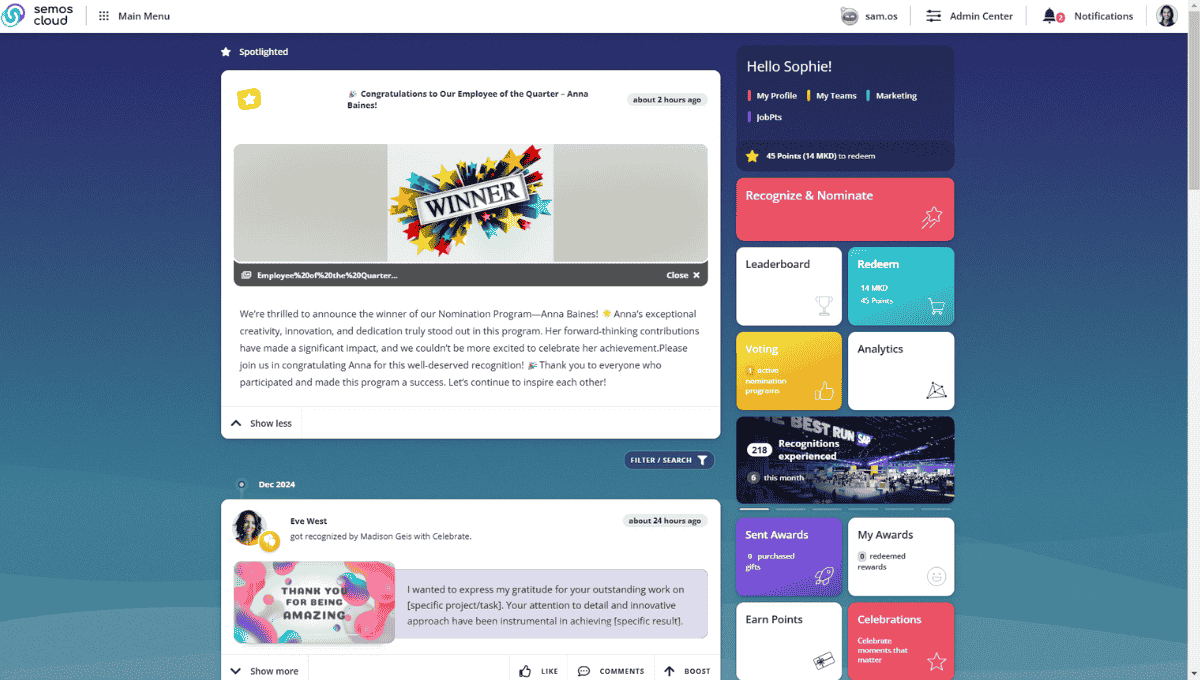
- Social recognition feeds where employees can thank colleagues
- Digital badges or points for helpful behaviors
- Shout-outs in team meetings or company communications
- Quick recognition through mobile apps or Slack integrations
Manager-to-Employee Recognition:
- Weekly one-on-one meeting recognition moments
- Email recognition with specific achievement details
- Public acknowledgment in team or department meetings
- Handwritten thank-you notes for significant contributions
Design Monthly Recognition Programs
Establish structured monthly recognition that highlights sustained performance and achievement.
Monthly Achievement Awards:
- Employee of the Month programs tied to company values
- Project completion celebrations
- Innovation and improvement idea recognition
- Customer service excellence awards
Team-Based Recognition:
- Department achievement celebrations
- Cross-functional collaboration awards
- Team milestone acknowledgments
- Group goal achievement recognition
Create Annual Recognition Events
Plan a formal annual recognition that celebrates major accomplishments and career milestones.
Service Anniversary Recognition:
- Customized awards for tenure milestones
- Personalized gifts reflecting individual interests
- Public ceremonies or special events
- Additional time off or experience rewards
Annual Excellence Awards:
- Top performer recognition across different categories
- Leadership award programs
- Innovation and creativity recognition
- Customer impact and service awards
The 9 Types of Recognition That Drive Culture, Engagement, and Retention
se types of recognition
Step 4: Select Recognition Technology Platform
Choose a technology solution that supports your recognition frequency goals and integrates with your existing workplace tools.
Evaluate Platform Requirements
Online recognition platforms drive better outcomes than offline programs, with 60% of organizations using online solutions reporting business results compared to 30% using internal programs.
Essential Platform Features:
- Easy-to-use interface that requires minimal training
- Mobile accessibility for all employee types
- Integration with existing HR systems and communication tools
- Social recognition feeds for peer-to-peer appreciation
- Points-based reward systems with diverse redemption options
- Robust reporting and analytics capabilities
- Multi-language support for global teams
Advanced Platform Capabilities:
- AI-powered recognition suggestions and insights
- Customizable award templates and branding
- Manager coaching tools and prompts
- Automated milestone recognition triggers
- Advanced analytics and benchmarking data
Implementation Planning
Plan your technology rollout in phases to ensure smooth adoption:
Phase 1: Pilot Program (Month 1-2)
- Launch with one department or team
- Gather feedback on user experience
- Identify technical issues and workflow improvements
- Refine processes before company-wide launch
Phase 2: Gradual Rollout (Month 3-4)
- Expand to additional departments in waves
- Provide hands-on training sessions
- Monitor usage patterns and engagement
- Address adoption barriers as they arise
Phase 3: Full Implementation (Month 5-6)
- Complete company-wide rollout
- Establish ongoing training programs
- Implement advanced features and customizations
- Begin regular program optimization reviews
Explore our Total Rewards Solution
total rewards
Step 5: Design Reward Structure and Options
Create a diverse reward structure that appeals to different employee preferences and provides meaningful choice.
Establish Points-Based Economy
Implement a points system that allows for flexible reward redemption.
Points Allocation Structure:
- Peer recognition: 25-50 points
- Manager recognition: 50-100 points
- Monthly awards: 200-500 points
- Quarterly achievements: 500-1,000 points
- Annual awards: 1,000-5,000 points
Redemption Categories:
- Gift cards to popular retailers and restaurants
- Company-branded merchandise and apparel
- Electronics and home goods
- Travel and experience vouchers
- Charitable donation options
- Additional paid time off
- Professional development opportunities
Create Meaningful Non-Monetary Recognition
Design recognition options that don’t require points or financial investment but still provide significant value.
Professional Development Recognition:
- Conference attendance opportunities
- Lunch meetings with senior leadership
- Special project assignment opportunities
- Mentoring program participation
- Skills training and certification support
Workplace Flexibility Recognition:
- Flexible work schedule options
- Prime parking spots
- Upgraded workspace accommodations
- Work-from-home days
- Extended lunch breaks
Social Recognition Options:
- Feature in the company newsletter or website
- Recognition wall or digital displays
- Social media shout-outs
- Breakfast or lunch with the leadership team
- Recognition at company-wide meetings
Why Shift to an Intelligent R&R System? Boost Culture, Leadership & Innovation
get whitepaper
Step 6: Train Managers and Recognition Champions
Develop comprehensive training programs that ensure consistent, high-quality recognition throughout your organization.
Manager Training Program
According to Gallup, employees who receive recognition that meets at least four pillars of strategic recognition are nine times more likely to be engaged.
Training Module 1: Recognition Fundamentals
- Understanding the business impact of recognition
- The five pillars of effective recognition (fulfilling, authentic, personalized, equitable, embedded)
- How to recognize different types of contributions
- Timing recognition for maximum impact
Training Module 2: Practical Recognition Skills
- Writing specific, meaningful recognition messages
- Choosing appropriate recognition methods for different situations
- Having recognition conversations during one-on-ones
- Connecting individual achievements to company values and goals
Training Module 3: Technology and Process Mastery
- Navigating the recognition platform effectively
- Understanding points allocation and reward options
- Using reporting tools to track team recognition patterns
- Integrating recognition into daily management practices
Recognition Champion Network
Establish a network of recognition champions across departments to drive program adoption and maintain momentum.
Champion Selection Criteria:
- Natural enthusiasm for recognizing others
- Influence within their teams or departments
- Strong communication skills
- Commitment to program success
Champion Responsibilities:
- Promote recognition platform usage within their areas
- Provide feedback on program effectiveness
- Help troubleshoot technology issues
- Share recognition success stories
- Assist with new employee onboarding to the recognition program
Champion Training and Support:
- Monthly champion meetings for updates and feedback
- Advanced training on program features and best practices
- Recognition and rewards for champion effectiveness
- Direct communication channel with program administrators
Step 7: Launch Communication and Change Management Strategy
Develop a comprehensive communication plan that builds excitement, explains program benefits, and drives sustained adoption.
Pre-Launch Communication Campaign
Build anticipation and understanding before program launch through multiple communication channels.
Leadership Announcement:
- CEO or senior leadership video explaining program vision
- Connection between the recognition program and company values
- Clear explanation of how the program supports business objectives
- Commitment to ongoing program support and participation
Educational Content Series:
- Email series explaining program components and benefits
- FAQ documents addressing common questions and concerns
- Video tutorials on platform usage and recognition best practices
- Success stories from the pilot program or industry benchmarks
Manager Preparation:
- Manager-specific training sessions before general launch
- Toolkit with talking points for team discussions
- Schedule coordination for team introduction meetings
- Recognition goal-setting for each department
Launch Event Strategy
Plan a memorable launch event that demonstrates program value and encourages immediate participation.
Virtual Launch Event Components:
- Live demonstration of platform features and navigation
- Real-time recognition examples between leadership and employees
- Q&A session addressing employee questions
- Immediate call-to-action for first recognition activities
Department-Level Launch Activities:
- Team meetings focused on program introduction
- Manager-led discussion about team recognition goals
- Practice sessions using the recognition platform
- First recognition exchanges during the meeting
Ongoing Communication Plan
Maintain program visibility and engagement through consistent communication.
Monthly Program Updates:
- Recognition statistics and participation metrics
- Featured recognition stories and examples
- Platform updates and new feature announcements
- Recognition tips and best practices
Quarterly Recognition Celebrations:
- Company-wide meetings highlighting recognition achievements
- Department-specific recognition ceremonies
- Annual award presentations and celebrations
- Program success stories and impact metrics
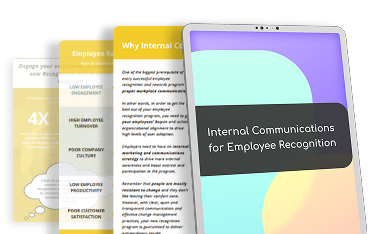
Internal Communication Strategies to Launch and Sustain Your Recognition Program
get ebook
Step 8: Monitor Performance and Optimize Program
Establish systematic monitoring and optimization processes to ensure continuous program improvement.
Track Key Performance Indicators
Monitor both participation metrics and business impact indicators to assess program effectiveness.
Participation Metrics:
- Recognition frequency per employee
- Platform login and usage rates
- Manager participation in recognition activities
- Peer-to-peer recognition ratios
- Reward redemption patterns
Business Impact Metrics:
- Employee engagement survey scores
- Voluntary turnover rates by department
- Internal promotion rates
- Customer satisfaction correlations
- Productivity measures specific to your organization
Leading Indicator Tracking:
- Time between achievements and recognition
- Quality scores for recognition messages
- Employee satisfaction with the recognition received
- Manager confidence in recognition skills
Implement Feedback Collection Systems
Establish multiple feedback channels to continuously improve your program.
Quarterly Pulse Surveys:
- Recognition frequency and quality assessment
- Platform usability and satisfaction ratings
- Reward relevance and appeal evaluation
- Suggestions for program improvements
Focus Group Sessions:
- Semi-annual sessions with high and low participation employees
- Department-specific feedback gatherings
- Manager feedback on program administration
- Recognition recipient experience discussions
Exit Interview Integration:
- Include recognition-related questions in exit interviews
- Track recognition patterns for departing employees
- Identify recognition gaps that may contribute to turnover
- Use feedback to refine recognition approaches
Program Optimization Process
Establish a quarterly optimization review process to implement improvements based on data and feedback.
Quarterly Review Agenda:
- Performance metrics analysis and trend identification
- Feedback summary and theme analysis
- Platform usage pattern review
- Budget utilization and ROI assessment
- Action plan development for next quarter
Annual Program Assessment:
- Comprehensive program evaluation against original objectives
- Benchmark comparison with industry standards
- Technology platform assessment and upgrade planning
- Budget review and adjustment for the following year
- Strategic planning for program evolution
Step 9: Scale and Expand Program Reach
Once your core recognition program is established and showing positive results, plan strategic expansion to maximize impact.
Geographic and Demographic Expansion
Extend recognition program benefits to all employee populations within your organization.
Remote Worker Integration:
- Ensure platform accessibility across time zones
- Create virtual recognition events and celebrations
- Develop recognition approaches that work for distributed teams
- Address cultural differences in recognition preferences
Frontline and Deskless Worker Inclusion:
- Mobile-first recognition tools for employees without computer access
- Simplified recognition processes for busy work environments
- Shift-specific recognition opportunities
- Integration with existing communication channels
Global Team Considerations:
- Multi-language platform support
- Cultural adaptation of recognition approaches
- Local reward and gift options
- Regional celebration and milestone recognition
Advanced Program Features
Add sophisticated program elements that enhance recognition quality and business alignment.
Values-Based Recognition Tracking:
- Connect recognition to specific company values
- Track values demonstration patterns across the organization
- Create value-specific recognition campaigns
- Report on cultural alignment through recognition data
Performance Integration:
- Link recognition data with performance review processes
- Use recognition patterns to identify high-potential employees
- Integrate recognition into career development planning
- Connect recognition frequency with performance outcomes
Customer Impact Recognition:
- Establish customer feedback integration with recognition systems
- Create customer-nominated recognition programs
- Track recognition correlation with customer satisfaction metrics
- Develop customer-facing recognition celebrations
Ready to transform your workplace culture?
Start building your employee recognition program today and see the difference engaged employees can make for your bottom line.
Final Thoughts
Implementing an effective employee recognition program requires systematic planning, careful execution, and ongoing optimization. By following these detailed steps, organizations can create recognition systems that drive meaningful business results while enhancing employee satisfaction and engagement.
The key to success lies in treating recognition as a strategic initiative rather than a simple HR program. This means investing adequate resources, training managers effectively, choosing the right technology, and maintaining a consistent focus on program optimization based on data and feedback.
Remember that building a strong recognition culture takes time and sustained effort. Start with solid foundations, launch thoughtfully, and remain committed to continuous improvement. The investment in systematic recognition will pay dividends through improved retention, higher productivity, and a more positive workplace culture that attracts and retains top talent.


Ready to unify your people programs?
Stop running recognition, rewards, communications, and development in silos. See how Semos Cloud brings it all together in one AI-powered platform, built for enterprise, certified for compliance, and proven at scale.